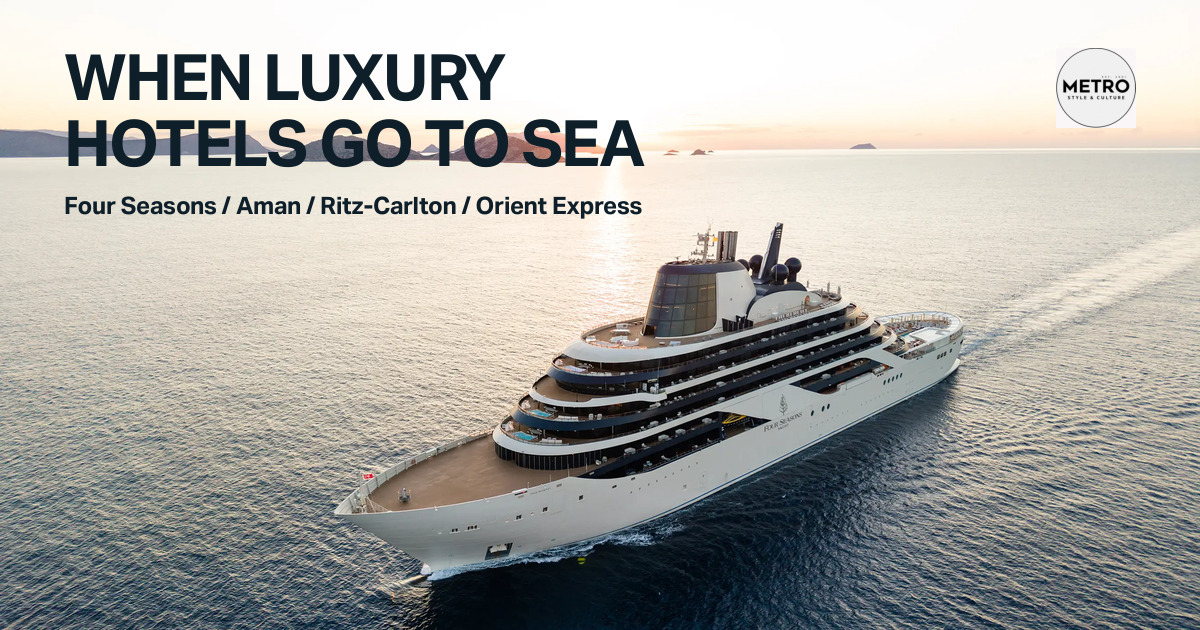
When Luxury Hotels Go to Sea
- 1 hours ago
-
 3,548
A luxury hotel traditionally has an address. Its architecture, service and atmosphere become part of a particular destination. But a growing number of established hospitality names are testing what happens when that experience begins to move.
Four Seasons, Aman and The Ritz-Carlton have brought their hotel identities into yacht travel, while Orient Express has extended its historic language of luxury journeys from rail to sea. Each is taking a different approach to design, privacy and life on board.
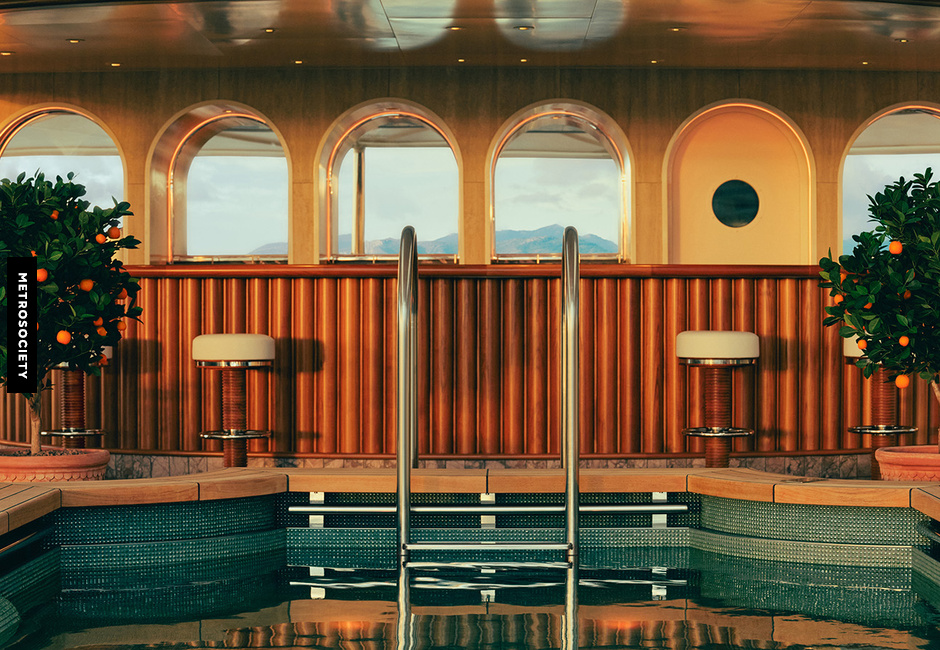
The opportunity is understandable. Established hospitality brands can offer loyal guests a new setting without abandoning the standards and design principles they recognise. A yacht also allows the guest experience to unfold across an entire itinerary, connecting accommodation, dining, wellness and time ashore.
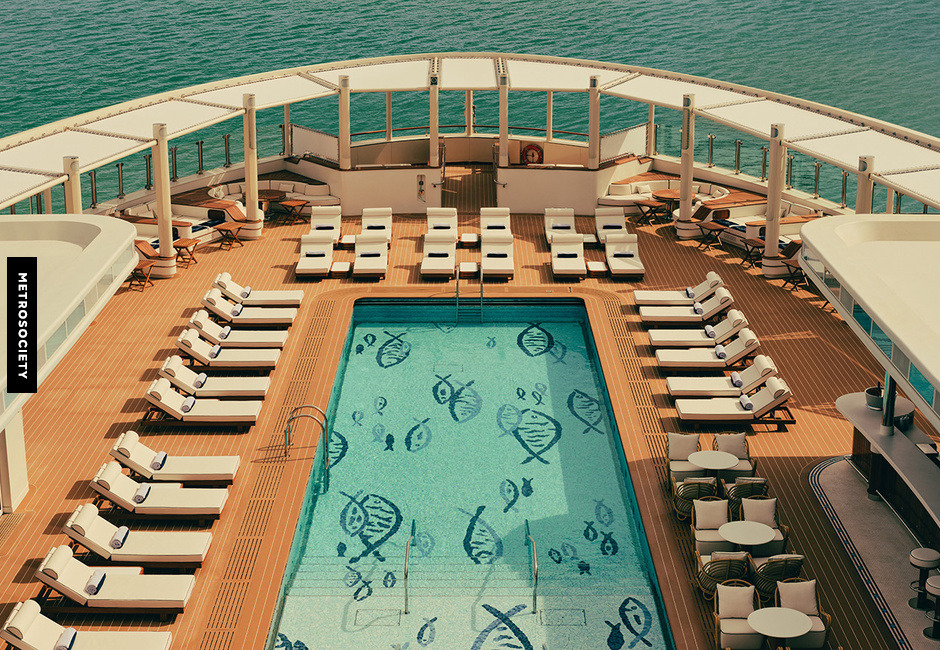
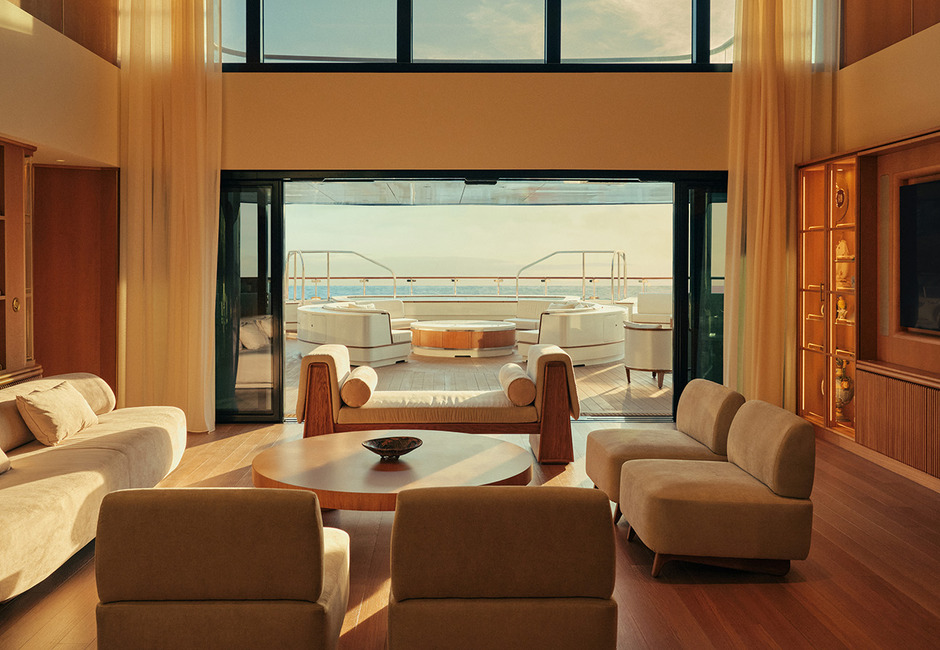
Four Seasons I, which began sailing on March 20, 2026, offers one of the clearest interpretations of a hotel-inspired residence at sea. The 207-metre vessel has just 95 suites, all designed to connect with the ocean through expansive windows and private outdoor space.
Tillberg Design of Sweden led the yacht's design, with Martin Brudnizki Design Studio creating social spaces and Prosper Assouline overseeing creative direction. The result draws on residential comfort and the atmosphere of classic yachting. Four Seasons is building on this approach with Four Seasons II, now scheduled for 2028, which will introduce 12 Yacht Residential Suites.
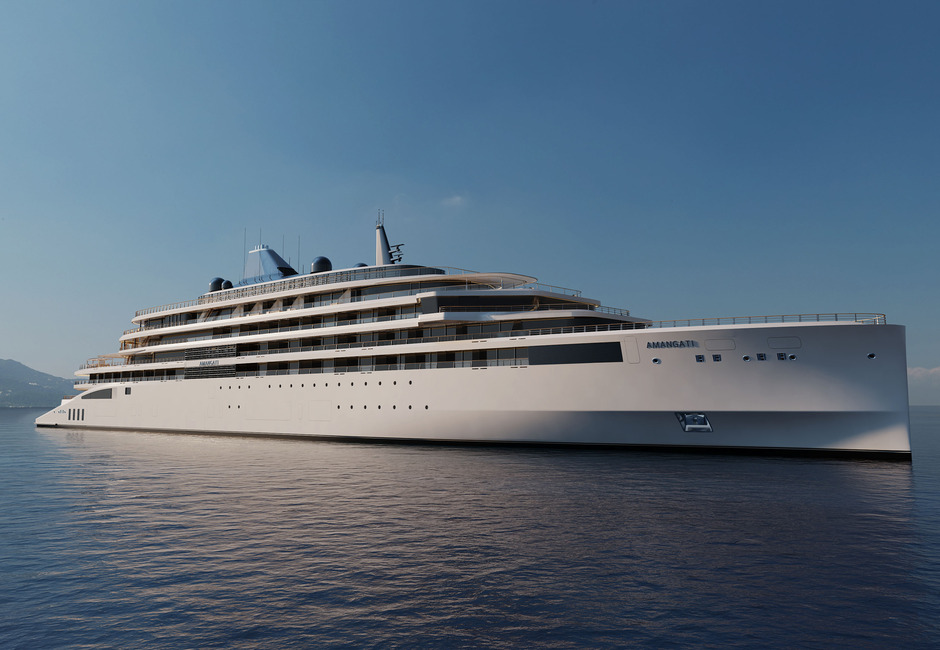
Aman is developing a more deliberately private atmosphere aboard Amangati. The 180-metre motor yacht, designed by SINOT Yacht Architecture & Design, is planned to accommodate just 94 guests across 47 suites. Drawing on the quiet proportions of a Japanese ryokan, the interiors prioritise space, natural light and private terraces.
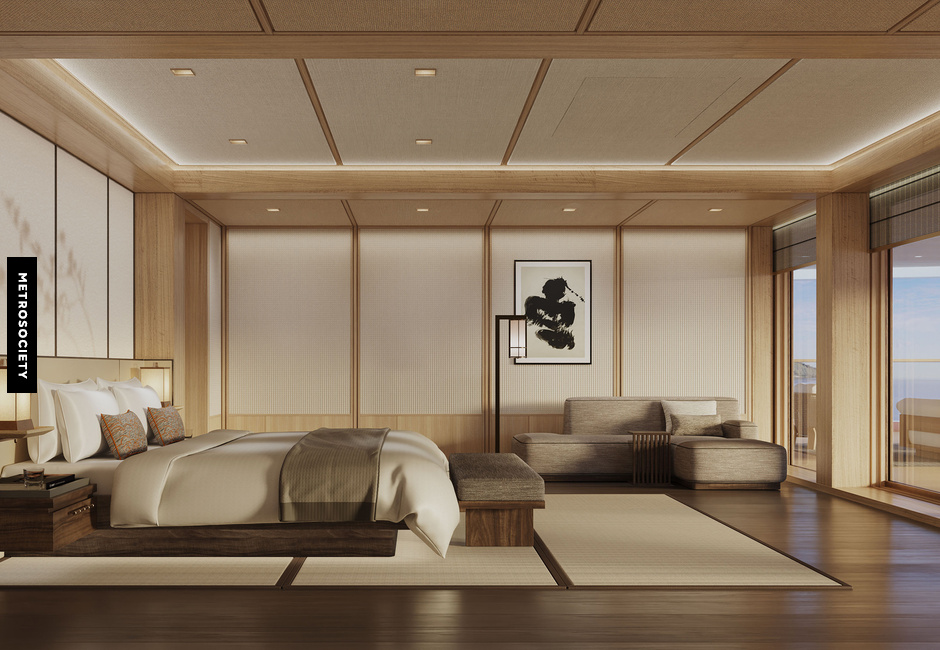
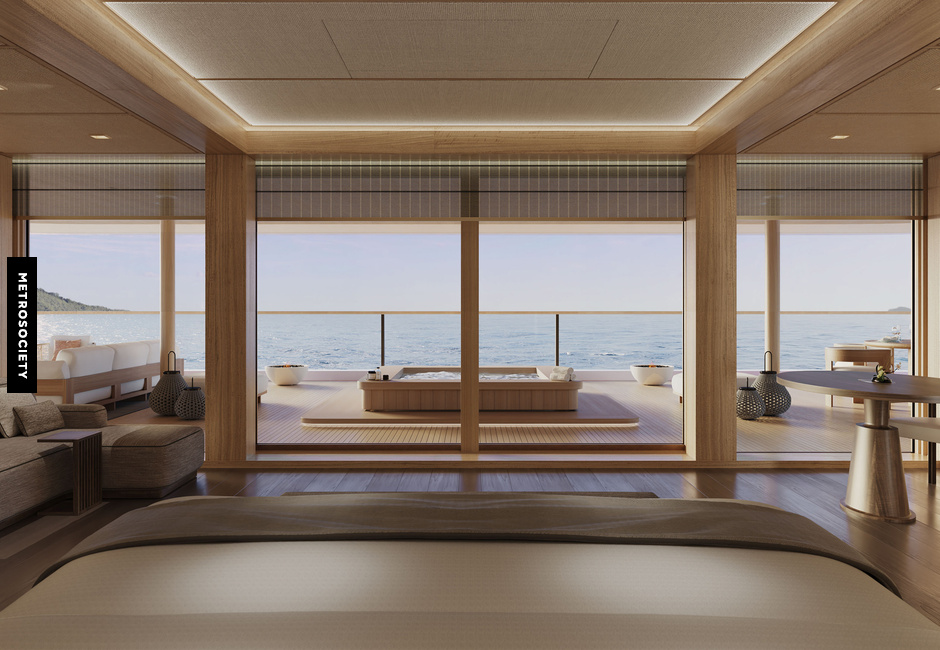
Wellness occupies a particularly important place in Aman's interpretation of maritime hospitality. A two-level spa, Japanese-inspired garden and ocean-facing treatment rooms are intended to bring familiar elements of the brand's resorts onto the water. Amangati is scheduled to welcome its first guests in May 2027, beginning with Mediterranean itineraries.
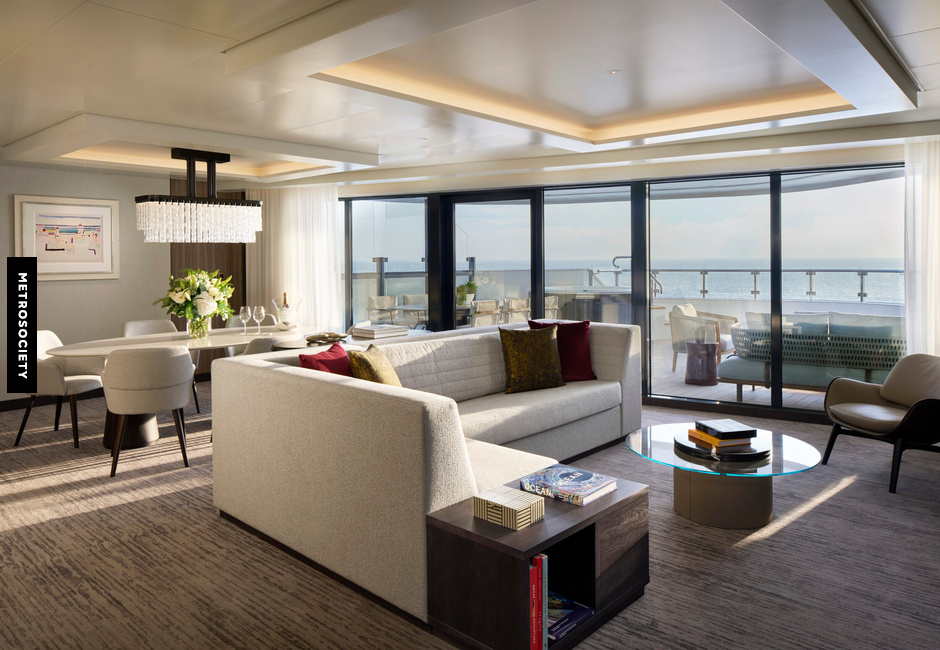
The Ritz-Carlton Yacht Collection has already established an operating fleet. Evrima entered service in October 2022 with 149 suites, followed by the 224-suite Ilma in September 2024 and the 226-suite Luminara in July 2025.
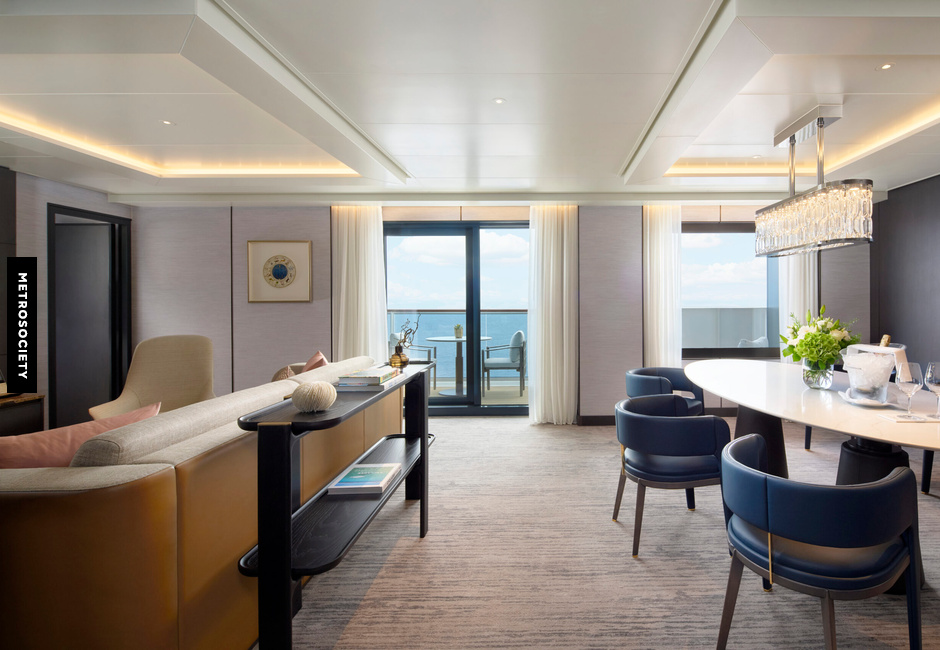
Their shared design language brings elements of a coastal resort to the yacht environment: private terraces, spacious indoor-outdoor areas, multiple dining venues and direct access to the sea through dedicated marina spaces. Ilma's interiors emphasise the visual connection between the suite and the horizon, while Luminara expands on the concept with additional social spaces and a larger marina.
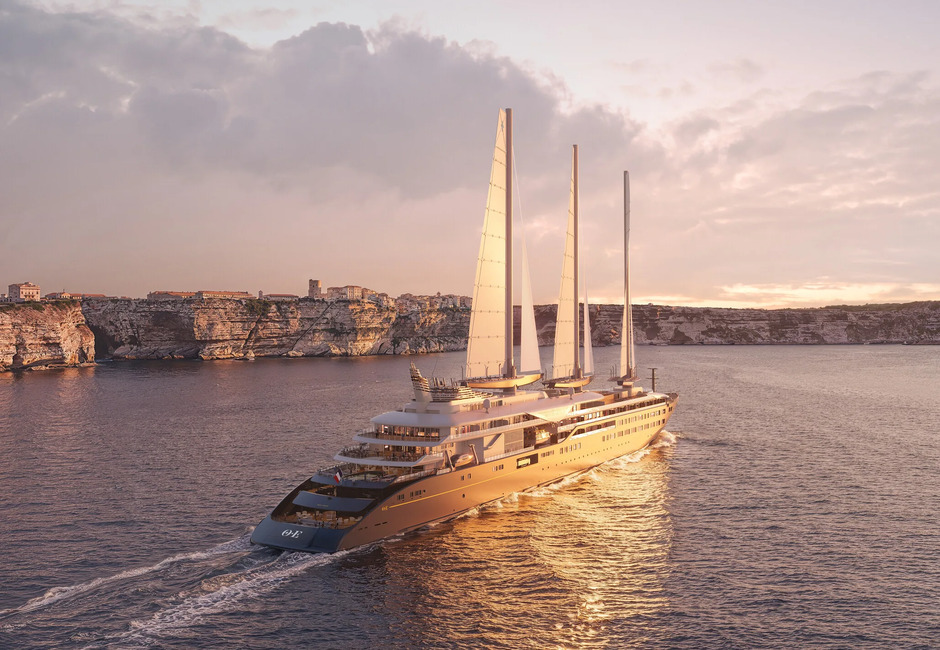
Orient Express Corinthian offers a different architectural proposition. Launched in 2026, the 220-metre sailing yacht has 54 suites and a distinctive three-mast silhouette. Its interiors, directed by Maxime d'Angeac, draw on French craftsmanship and Art Deco references associated with the historic Orient Express.
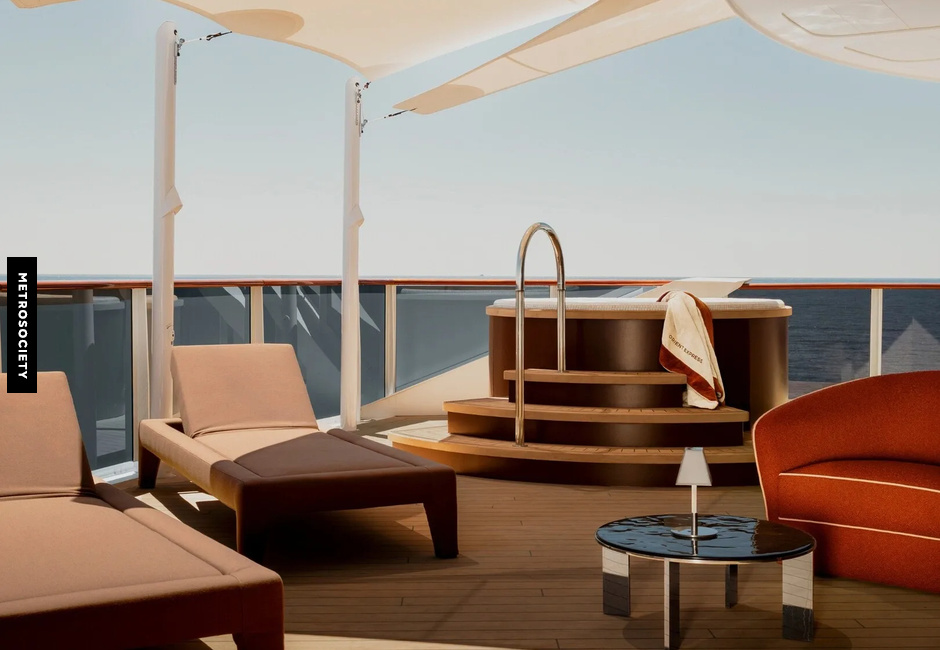
Its SolidSail system introduces another dimension to the design, using three rigid sails to harness wind propulsion. The technology does not eliminate the vessel's environmental impact, but it makes the method of travelling part of the experience rather than simply a means of reaching the next port.
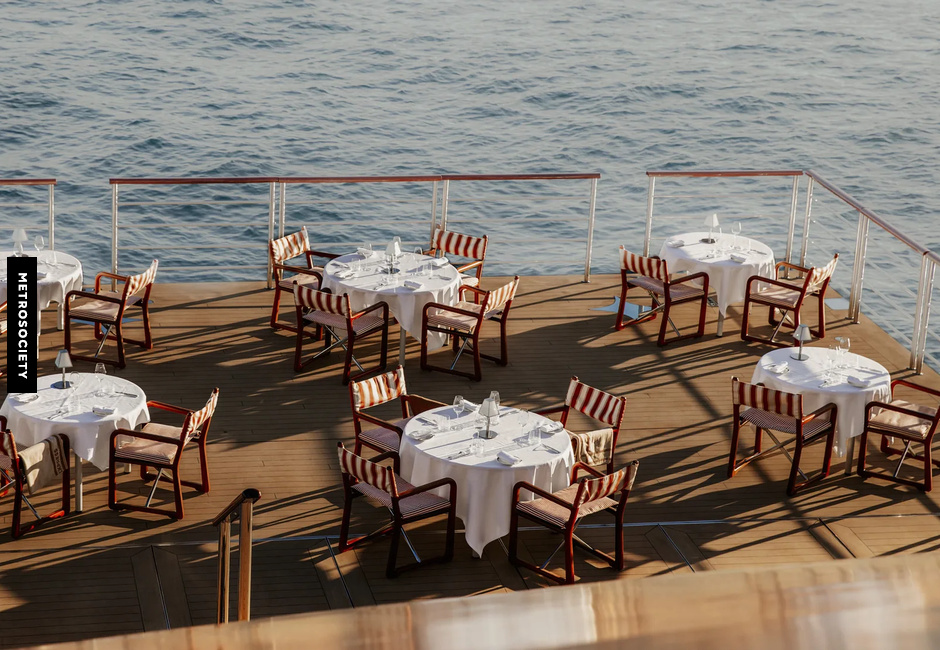
These vessels are still cruise ships in an operational sense. Guests share the yacht with other travellers, and itineraries remain subject to weather, port access and maritime requirements. The distinction lies more in scale, the allocation of space and the service philosophy than in any claim to being a private yacht.
The wider luxury ocean market also includes Explora Journeys, whose origins are different. Established by the MSC Group, it comes from a maritime business rather than an established land-based hotel brand, despite sharing an interest in design-led hospitality and wellness.
For the hotel names entering this sector, the real test goes beyond introducing beautifully appointed suites. A recognised brand can make an unfamiliar way of travelling feel reassuring. Whether guests return will depend on how consistently that identity holds up when hospitality leaves the shore.