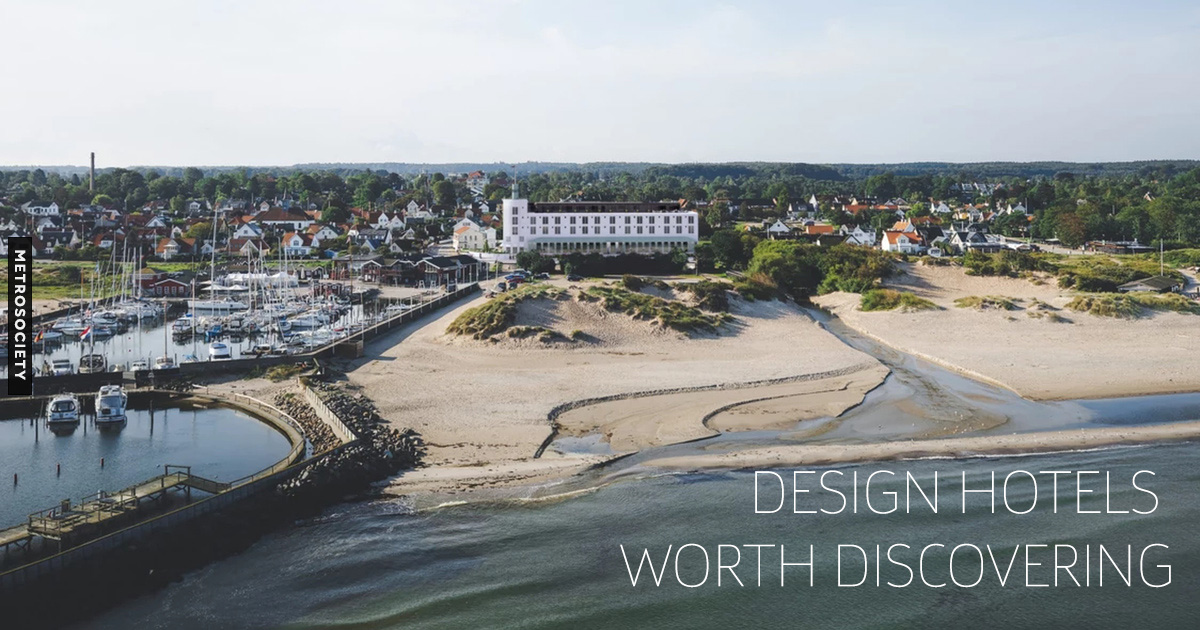
Design Hotels Worth Discovering
Three Hotels Connected to Their Cities
- 1 hours ago
-
 2,480
Three places to stay for travellers who enjoy looking a little closer
Some people explore a new city by looking at windows, stopping at antique shops or photographing buildings that never appeared in the itinerary. If that sounds familiar, choosing a hotel deserves a little extra time. There can be plenty to notice before you even reach the room.
Andaz One Bangkok, CORI Hornbæk Hotel and Serras Sevilla offer different reasons to take a closer look. In Bangkok, everyday details from the neighbourhood find their way indoors. In Denmark, a seaside building returns to welcoming guests. In Seville, a historic address gives visitors somewhere to begin understanding the city.
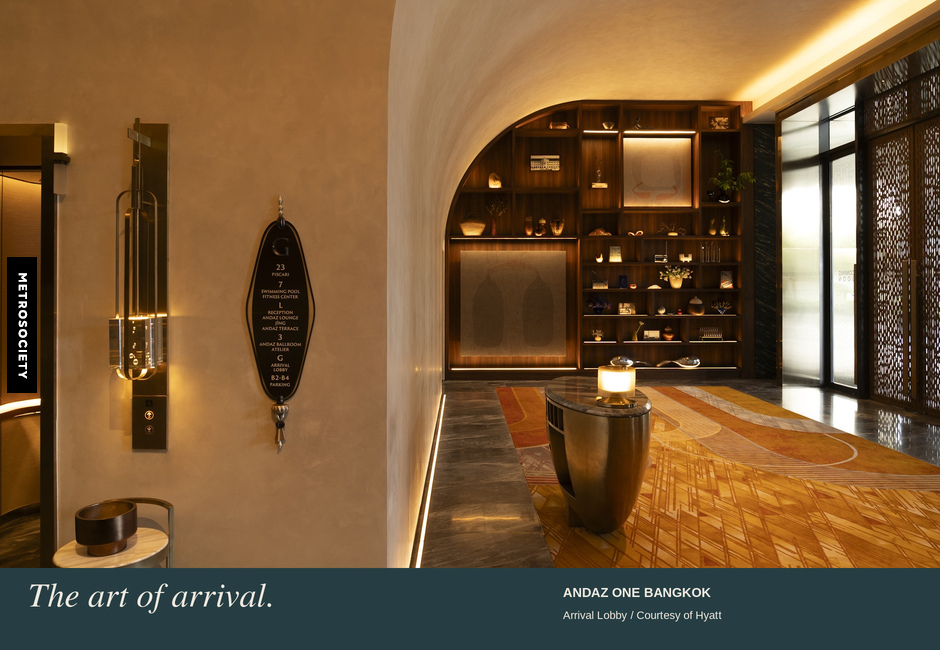
Andaz One Bangkok // another look at a familiar city
For many Bangkok residents, Wireless Road is somewhere to pass through on the way to work or dinner. At Andaz One Bangkok, details from the neighbourhood become part of the interiors.
Opened on December 19, 2025, the hotel sits within One Bangkok. PIA’s Vertical Neighborhood concept brings together references to Thai mid-century architecture, window-grill details and works by Thai female artists. There are 244 rooms and suites, most overlooking Lumphini Park.
The appeal of this approach is its attention to things close at hand. Fences, windows and the outlines of familiar buildings have details worth noticing.
For a visitor, these references offer an introduction to Bangkok. For someone who lives here, they might provide a reason to look up more often on the way home.
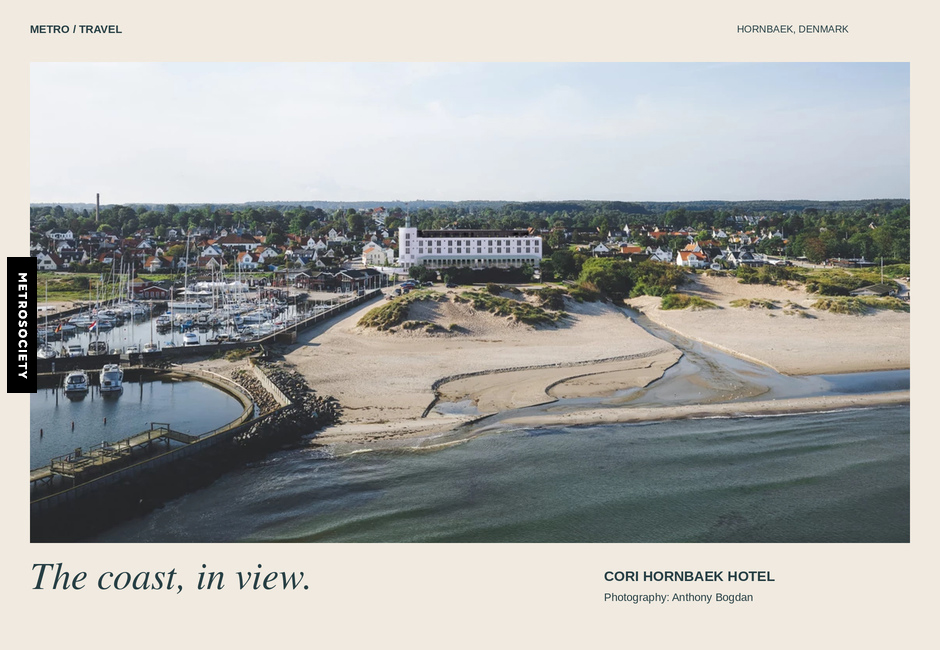
CORI Hornbæk Hotel // a building with several lives
CORI Hornbæk Hotel stands beside Hornbæk Beach in northern Zealand, Denmark. Designed by Ole Falkentorp, the building first opened as a hotel in 1935. It later became a rehabilitation centre and hospital before reopening as a hotel on September 25, 2026.
Afroditi designed the interiors. According to the hotel, locally sourced materials and coastal colours were chosen to help the original building feel like itself again.
Knowing that history gives you something else to look for. Which details have survived? What has been changed? How did people use these rooms before?
For anyone who enjoys older buildings, those questions are part of the attraction. Even before a visit, the history adds something to the image of a white hotel beside the sea.
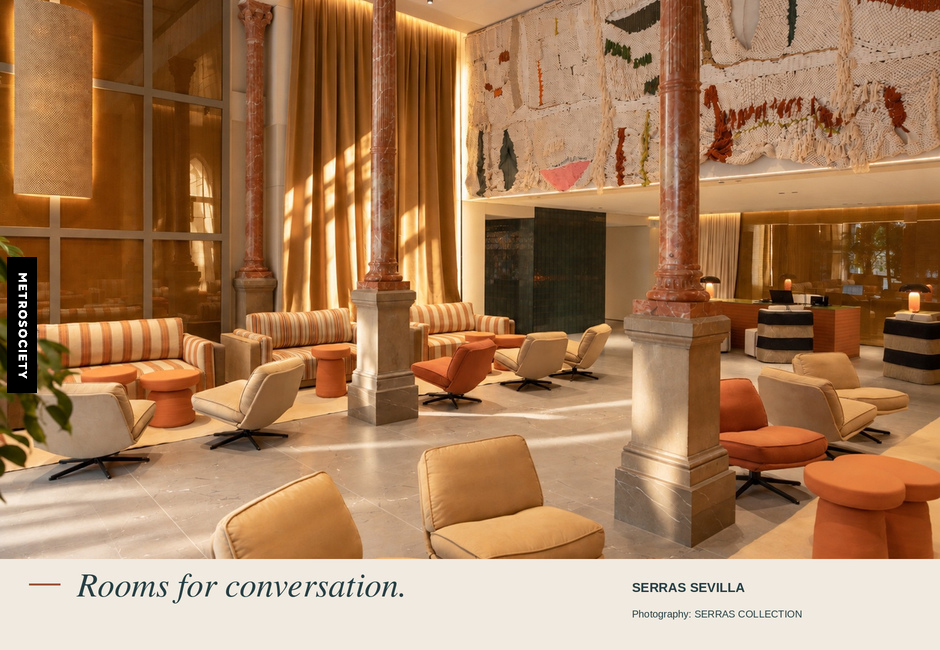
Serras Sevilla // getting to know the city from your hotel
Serras Sevilla occupies the former Casa Álvaro Dávila, designed by Aníbal González between 1915 and 1917. The hotel describes the building as an example of Sevillian regionalism, with features including arches and white marble columns.
Inside, Eva Martínez uses glazed ceramics and earthy colours connected to local culture. From the rooftop, Seville Cathedral becomes part of the view.
For travellers interested in architecture, a building like this offers details to carry into the day. You can notice a material or an arch at the hotel, then look for it again in houses, shops and other buildings around the city.
One of the pleasures of travelling is that moment when a place starts to feel familiar. You recognise a colour, remember a façade or begin to notice a shape appearing again. A hotel can be a small starting point for that connection.
Keep these three addresses in mind when planning a trip, then follow what interests you most: art in Bangkok, an old building by the sea or a day spent walking through a historic city.